
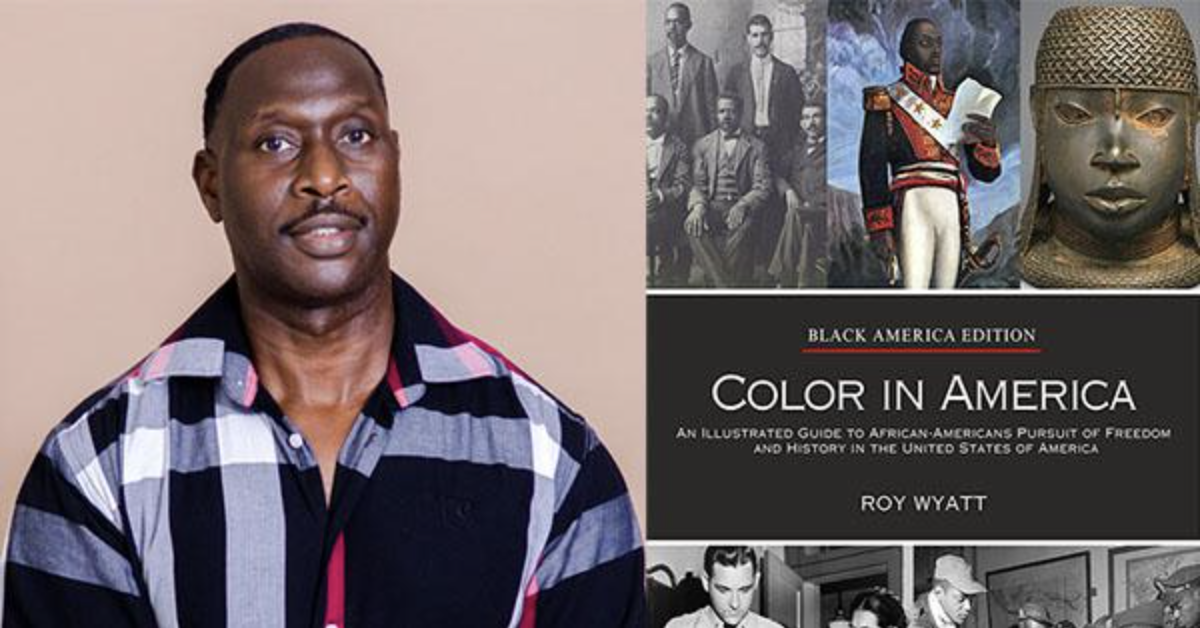
Author Roy Wyatt has released an updated edition of his illustrated history book Color in America, a comprehensive guide that explores the pursuit of freedom and the long history of African Americans in the United States. Designed to make Black history more accessible and visually engaging, the revised edition presents centuries of stories that shaped both the African American experience and the nation itself.
The book spans more than 240 pages and features nearly 300 illustrations across nine chapters. Wyatt’s work traces over 400 years of Black history, beginning with African origins and continuing through major moments of resistance, progress, and cultural influence in America. By combining research, storytelling, and visual imagery, the book highlights both well-known historical events and individuals whose contributions are often overlooked.
While many people recognize famous moments like the Underground Railroad or Dr. Martin Luther King Jr.’s “I Have a Dream” speech, Color in America introduces readers to lesser-known pioneers. These include figures such as Sojourner Truth, who successfully sued a white man in court; Cathay Williams, the first Black woman to enlist in the U.S. Army; and Robert Carruthers, whose work helped develop the ultraviolet camera used during NASA’s Apollo 16 mission.
Wyatt, a Virginia native and longtime author, created the book as part of a broader effort to preserve and expand awareness of African American history. In addition to writing, he leads VabEXPO, a nonprofit organization that promotes Black culture and history through book festivals and educational programming in cities like Richmond, Virginia, and Charlotte, North Carolina. The updated edition of Color in America is available through Amazon, bookstores, and select museums nationwide.
Why It Matters / Why Now
As conversations about history, identity, and representation continue across the country, educational resources that present a fuller picture of African American history are increasingly important. Books like Color in America help broaden public understanding beyond the most commonly taught stories by highlighting lesser-known innovators, activists, and trailblazers who shaped American society.
For communities in Delaware—home to a rich but often underrecognized Black history—resources like this can serve as tools for education in schools, libraries, churches, and cultural institutions. They also help connect local audiences to a broader national narrative about resilience, innovation, and cultural contribution. By expanding the stories people learn and share, projects like Wyatt’s work support ongoing efforts to preserve history and pass it forward to future generations.