
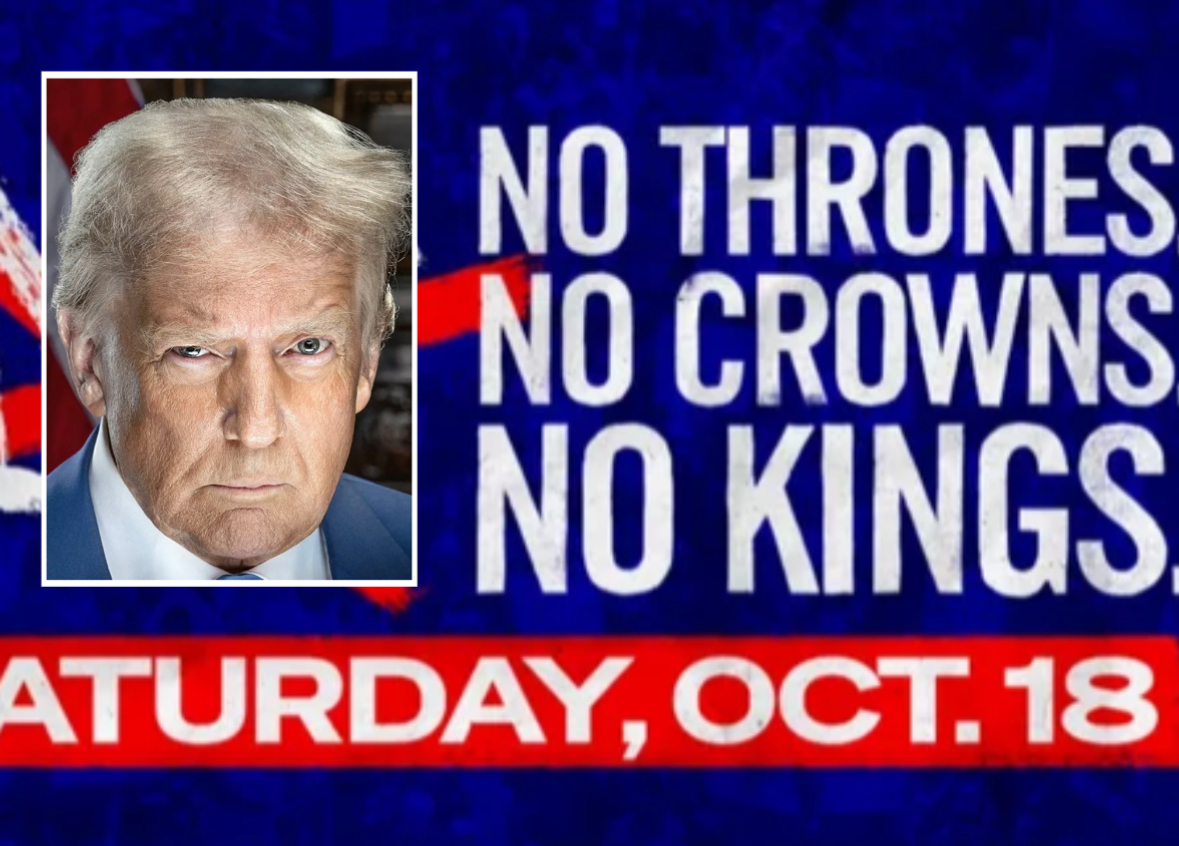
On October 18, 2025, the movement known as No Kings returns with its sequel: No Kings 2 National Day of Mobilization. A continuation of the nationwide protest centered around what many see as rising authoritarianism, threats to democracy, and the need for civic vigilance, the event is set to unite communities across the country. In Delaware, momentum from earlier protests is fueling one of the strongest showings yet.
Registration: https://www.nokings.org
View this post on Instagram
What Is No Kings 2?
No Kings began as a nationwide protest on June 14, 2025, with thousands gathering in cities and towns from coast to coast. The movement was aimed at resisting what participants view as undemocratic power grabs, abuses of executive authority, and erosion of democratic norms.
“No Kings 2” builds on that foundation: the same themes, renewed organizations and coalitions, and the same commitment to nonviolent action. It’s not a single march but a coordinated effort: rallies, visibility brigades, teaching, training, and street-level activism.
Why Delaware’s Black Community Should Be Concerned and Participate
For Black Delawareans, participation in No Kings 2 is more than symbolic, it’s a matter of protecting rights, opportunities, and community well-being. Here’s why:
- Civil Rights Rollbacks: Recent federal actions have dismantled diversity, equity, and inclusion (DEI) initiatives, cut environmental justice programs, and scaled back civil rights enforcement. Black Delawareans—whether in Wilmington, Dover, or rural Sussex—will feel the impact in schools, workplaces, and government services.
- Environmental Justice: Black communities in Delaware, especially in Wilmington’s Southbridge neighborhood and parts of Kent and Sussex, already face disproportionate exposure to pollution and flooding. The rollback of environmental protections and settlements threatens to worsen these inequities.
- Voting Rights: Delaware’s Black voters have historically been key to shaping elections. National restrictions and local ripple effects could weaken access to fair representation if left unchallenged.
- Economic Inequality: Cuts to programs that address racial disparities in hiring, contracting, and education close off pathways to opportunity for Black families, entrepreneurs, and students in Delaware.
- Erasure of Black History: Moves to remove slavery exhibits and downplay racial injustice in national institutions set a dangerous precedent. Delaware’s Black history, from Harriet Tubman’s Underground Railroad routes to Howard High School’s civil rights legacy, deserves to be preserved and amplified, not erased.
Delaware’s Role: Organizing, Numbers, and Energy
Delaware has been not just a participant but a significant stage for No Kings. Here’s how the first day went, and what’s expected in No Kings 2:
- On June 14, six separate No Kings protests happened across Delaware. Locations included Wilmington, Newark, Dover, Rehoboth Beach, Georgetown, and Bethany Beach.
- In Sussex County, almost 3,100 people showed up at rallies (Rehoboth Beach, Georgetown) and in coastal areas.
- In Wilmington and Newark, attendance was even higher: thousands rallied, residents, activists, students, veterans, featuring speeches, chants, citizen parades.
- Political leaders also turned out: U.S. Senator Chris Coons participated, Gov. Matt Meyer and Sen. Lisa Blunt Rochester spoke in Wilmington.
What’s Planned for No Kings 2 in Delaware
Delaware’s organizing infrastructure seems well-prepared for a strong second showing. Here are some of the event plans:
- The League of Women Voters of Delaware (LWVDE) is an official partner for No Kings 2. They are organizing nonpartisan activations in Wilmington, Newark, Dover, and Georgetown.
- A walk/march is planned in Wilmington, along with visibility brigades in New Castle County, and distributed rallies in various communities.
- Emphasis is being placed on protest safety, nonviolent training, and making sure people understand their rights. The League and other groups are distributing resources and holding training in advance.
Why Delaware Matters
Delaware’s unique position, small state but politically balanced, with engaged citizens, and proximity to both major media markets and Washington, D.C., gives its No Kings participation outsized symbolic power.
- High turnout relative to population: Thousands gathered in multiple parts of the state, which shows strong grassroots engagement.
- Diverse coalitions: Rallies have involved veteran groups, students, community organizers, statewide advocacy groups, and mainstream political figures.
- Multi-county reach: It isn’t just Wilmington or Dover. Sussex, Kent, and New Castle counties all saw action, indicating a broad base.
- Active political leadership: When elected officials take part, it raises visibility and raises the stakes for accountability.
Delaware Voices
- In Dover, protesters gathered at Legislative Hall, chanting and listening to local leaders and activists.
- In Sussex County, participants from Rehoboth Beach to Georgetown cited concerns over free speech, rule of law, and creeping authoritarian behavior, both locally and nationally.
- Veteran voices were also strong; many say their service makes them especially wary of government overreach.
For Black Delawareans, these voices connect directly to lived experiences of injustice, from policing and housing discrimination to inequities in education and health care.
Why It Matters – Beyond the Protest
Mobilizations like No Kings 2 aren’t just photo ops. They influence:
- Public Awareness: Raising the visibility of issues like executive overreach, judicial independence, free speech.
- Political Pressure: Elected officials see turnout and statements; that can translate into legislative pushback, oversight, or platform shifts.
- Civic Engagement: Rallies tend to mobilize people who otherwise might be less active in elections or advocacy, volunteerism, voter registration, community organizing often follow. Delaware organizations like the League of Women Voters are specifically using this moment to amplify voter empowerment.
Delaware has shown that it’s more than just a bellwether state, it can be a ground for organized, visible resistance. For Black Delawareans, No Kings 2 is not optional. It’s a chance to stand up against policies and practices that threaten hard-won progress, silence history, and widen inequality.
On October 18, Delawareans, and especially Black Delawareans, will be watching, marching, and speaking. Because in this democracy, there are no kings.