

Delaware’s Black history isn’t just written in textbooks, it’s etched into neighborhoods, church pews, and family lands that have stood for generations. From free Black settlements that rose before the Civil War to thriving 20th-century communities built around industry, these neighborhoods tell powerful stories of resilience, pride, and self-determination. Across Wilmington, Dover, and Sussex County, African Americans built schools, owned property, and created safe havens that still echo with legacy today. Here are ten of Delaware’s most historic Black neighborhoods, each a cornerstone in the state’s journey toward freedom and progress.
1. Belltown, Delaware (Sussex County)
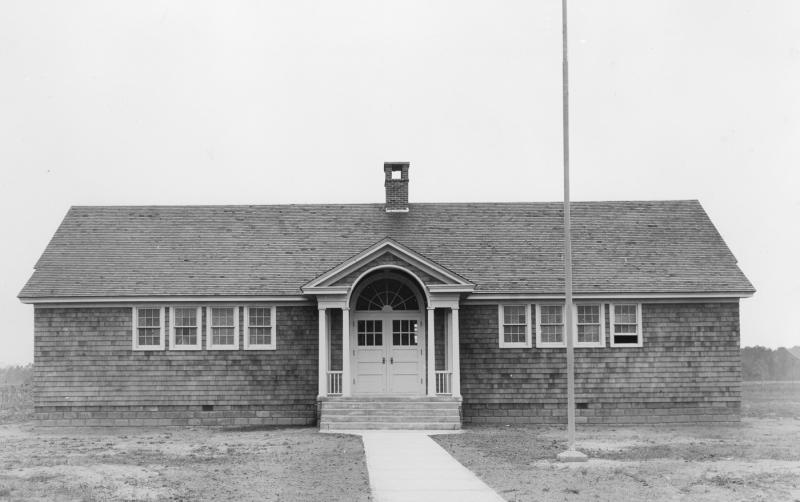

Description:
Belltown was founded circa 1840 by a free Black man, Jacob “Jigger” Bell, who purchased land and sold lots to other African Americans, creating one of the earliest self-sufficient Black communities in Sussex County. By the late 1800s, the community included a school, two churches, stores and ~27 houses by 1930. It stands as a powerful example of free-Black landownership and community building in a slave-state region.
“Walking the streets of Belltown — where a free Black community built their own church, school and homeownership in the 1800s. #BlackHistory #DelawareStories”
2. Polktown, Delaware City (New Castle County)

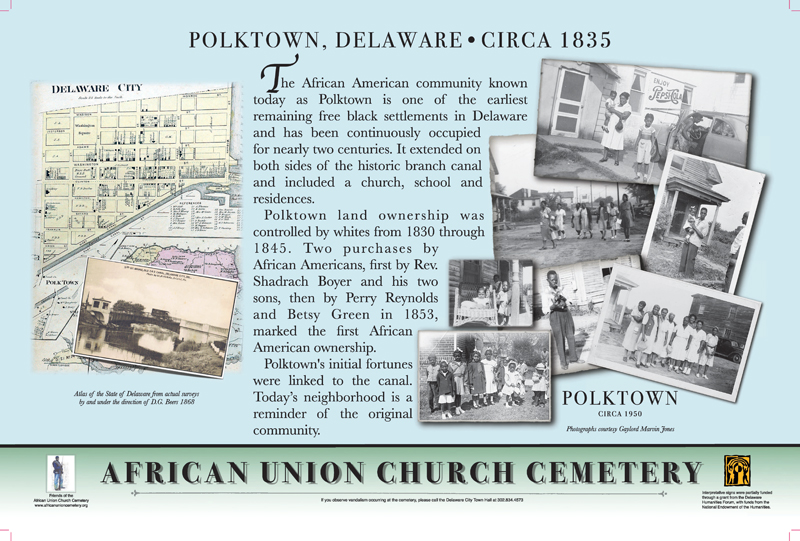
Description:
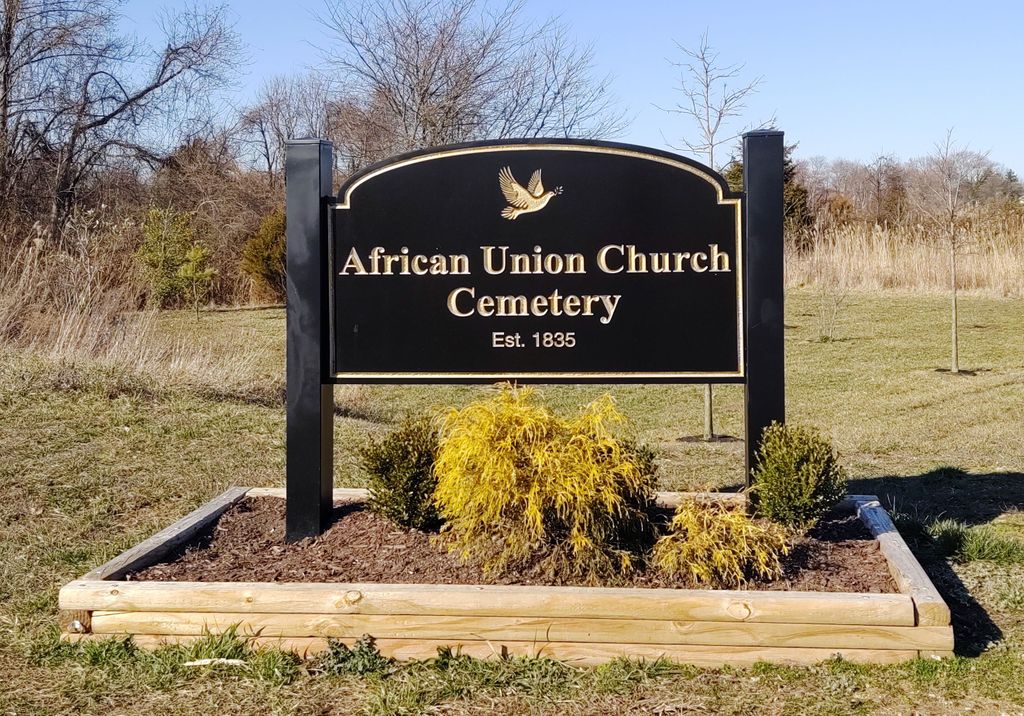
Polktown is one of the earliest free Black settlements in Delaware, located near Delaware City and the Branch Canal. The community owned its church and cemetery (African Union Church), and land-ownership among free African Americans supported its growth. HMDB
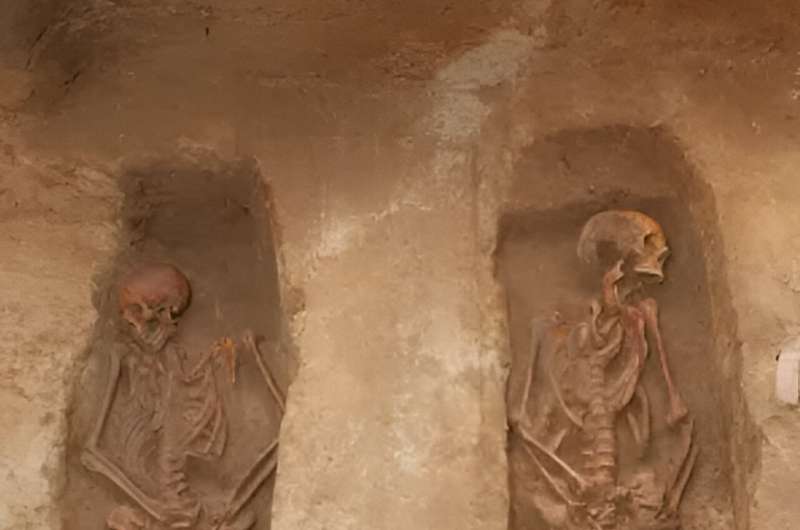
In one archaeological and commemoration project, graves of Black soldiers from the U.S. Colored Troops were uncovered there.
“Polktown: where freedom-built landownership, church and cemetery anchored a Black community before the Civil War. #FreeBlackHistory #Delaware”
3. Star Hill, Kent County (near Camden/Dover)

Description:
Star Hill is an early African American settlement with roots before the Civil War; its focal point is the Star Hill AME Church (built c.1866), whose adjacent cemetery holds graves of early Black settlers. The community formed around land obtained from Quakers in the late 1700s, supporting a Black‐owned church and school in later years.
“At Star Hill: exploring the church and cemetery of one of Delaware’s first African American settlements. #UndergroundRailroad #BlackHeritage”
4. Little Jersey (Lums Pond / New Castle County)
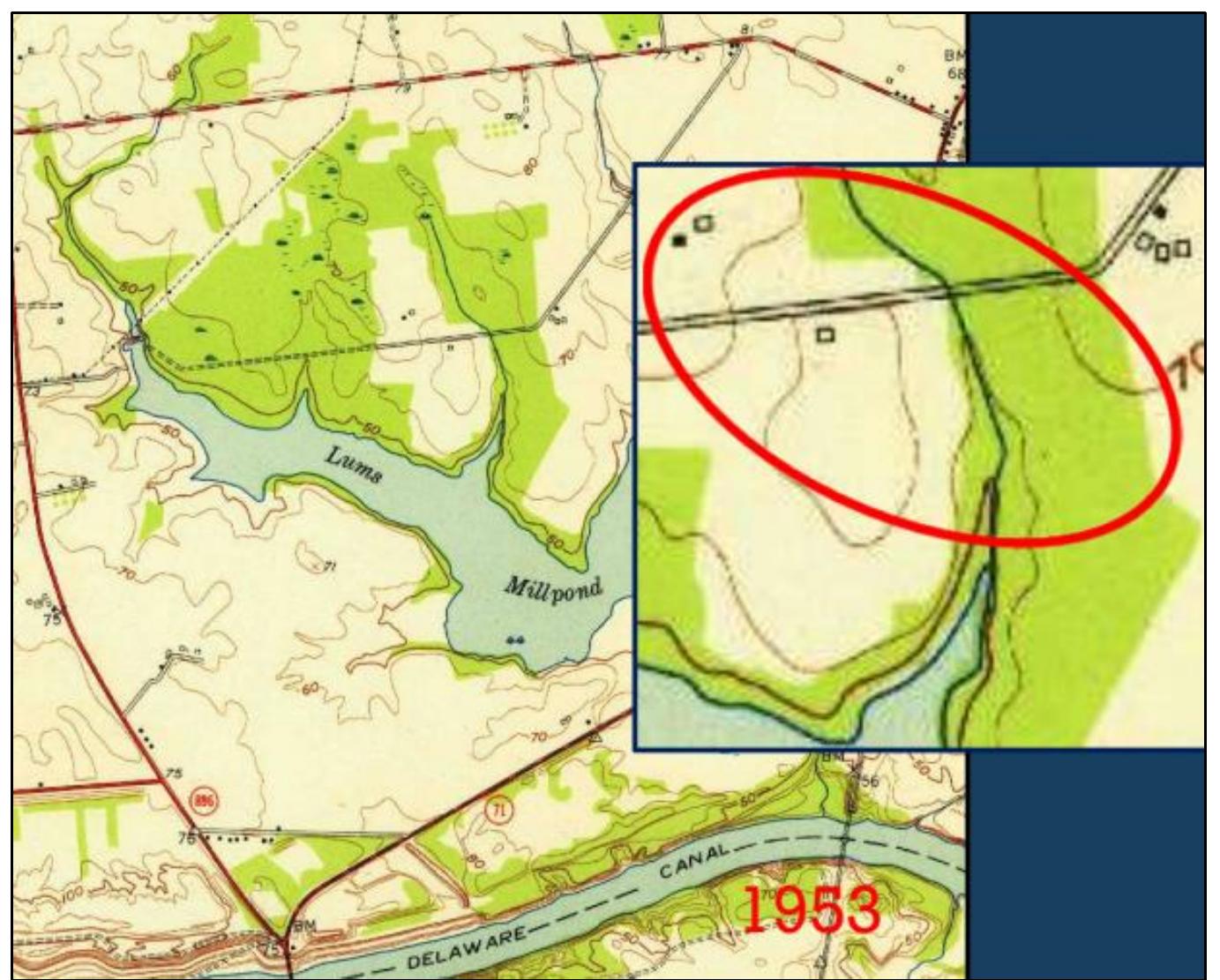

Description:
Little Jersey was a free Black community that now exists mostly in historical records and the landscape of Lums Pond State Park. While little remains of its built environment, the existence of a 7.9-mile trail named for it keeps its memory alive.
“Little Jersey: a vanished but remembered free-Black community in Delaware’s woods. #TrailOfFreedom #DelawareHistory”
5. Hickman Row, Claymont (New Castle County)
Description:
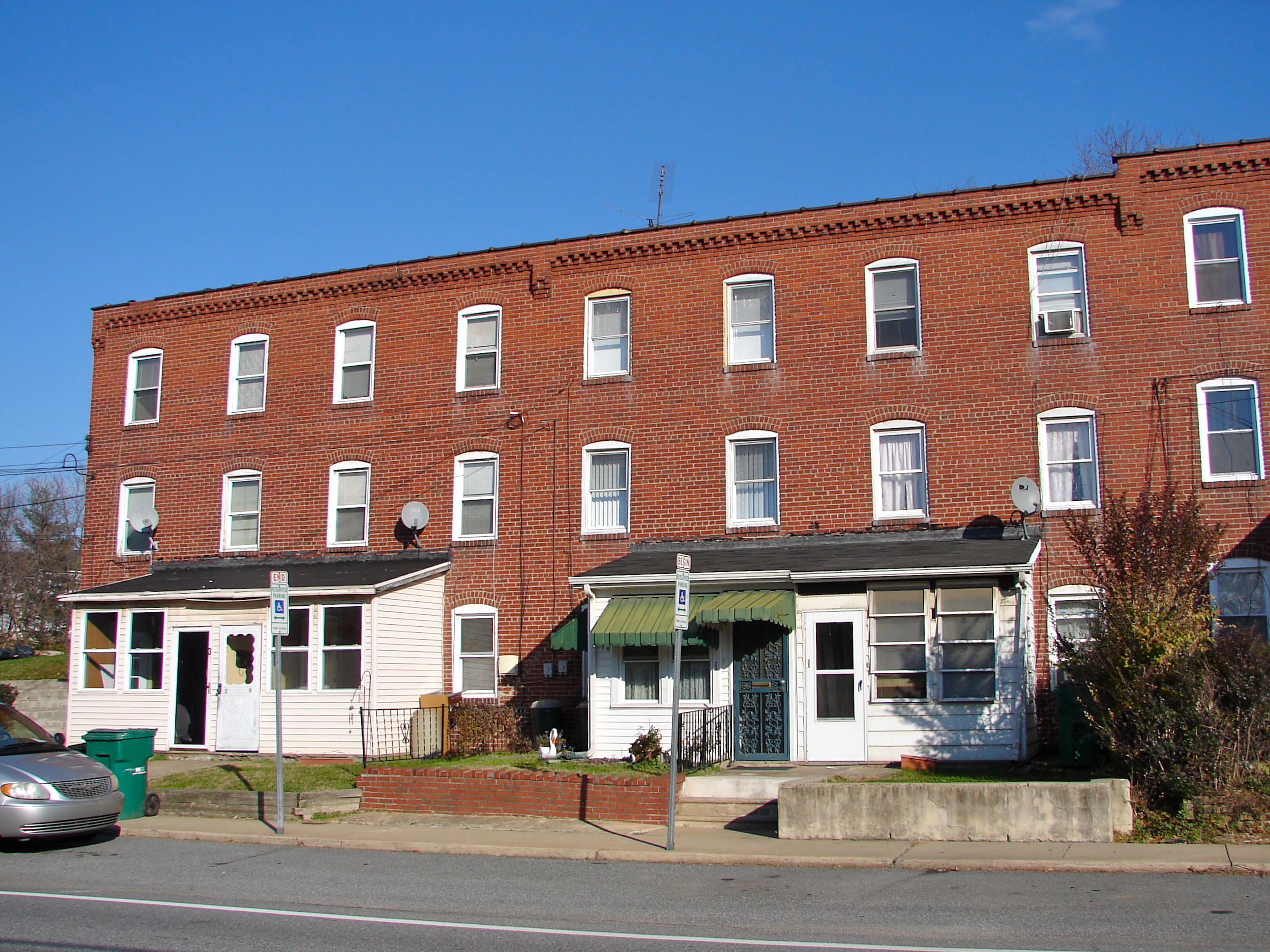
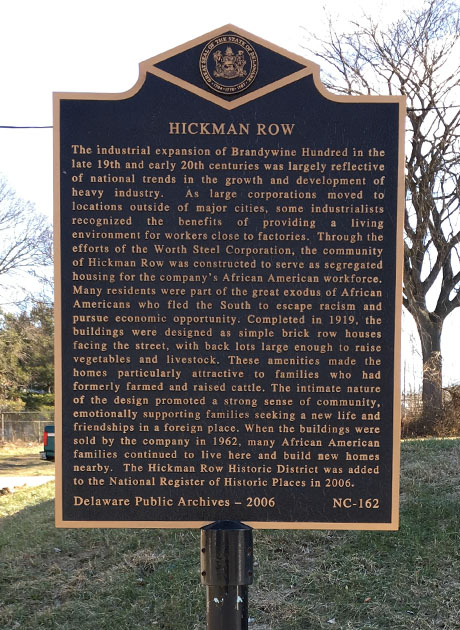
Hickman Row is a historic district of brick rowhouses in Claymont built circa 1919 by the Worth Steel Corporation for its African American workforce. It’s a tangible reminder of 20th-century labor, race, and housing in Delaware’s industrial regions.
Social-media caption idea:
“Hickman Row: brick homes built for Black steelworkers near Wilmington a century ago. #LaborHistory #AfricanAmericanHeritage”
6. Old New Castle Black Neighborhoods (New Castle County)
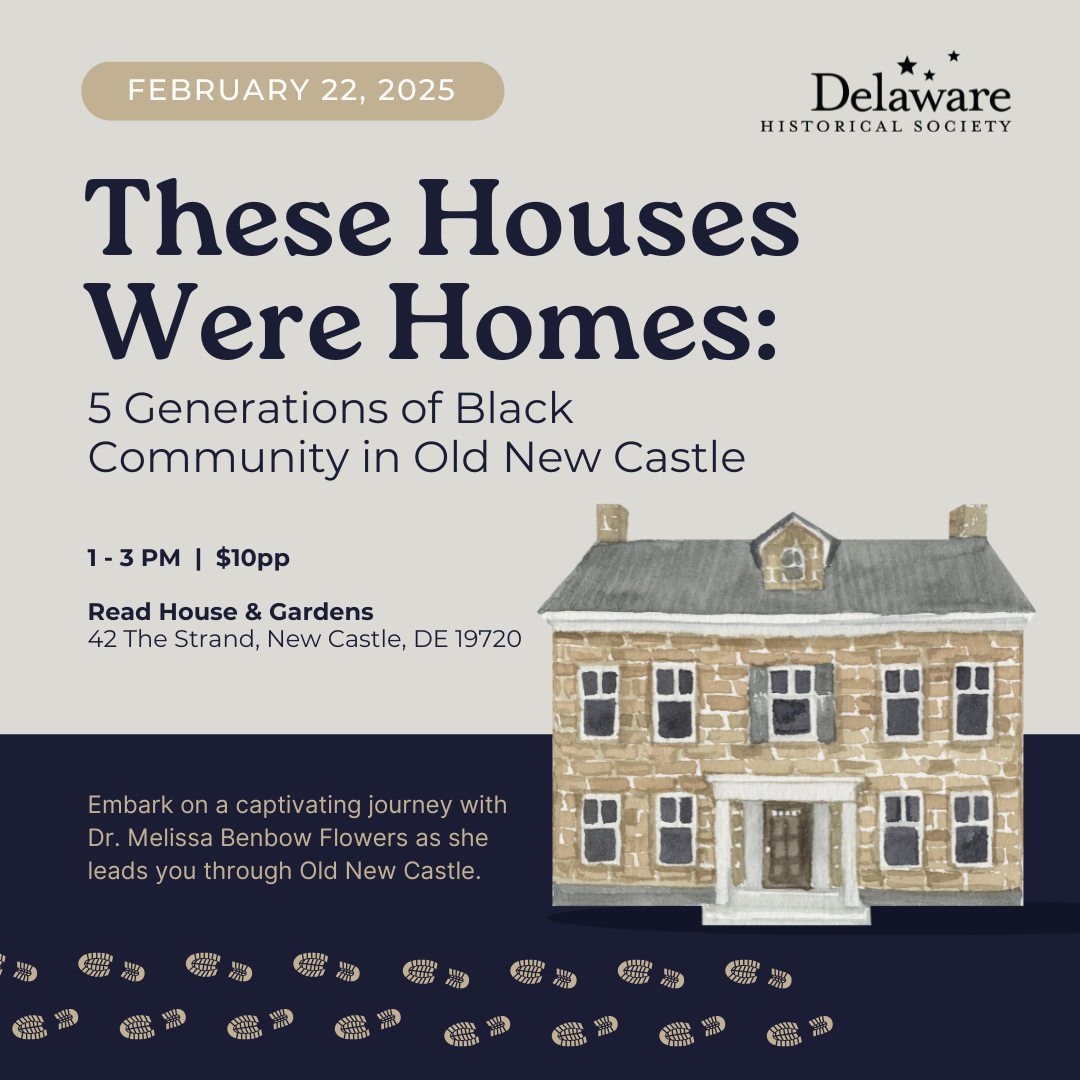
Description:
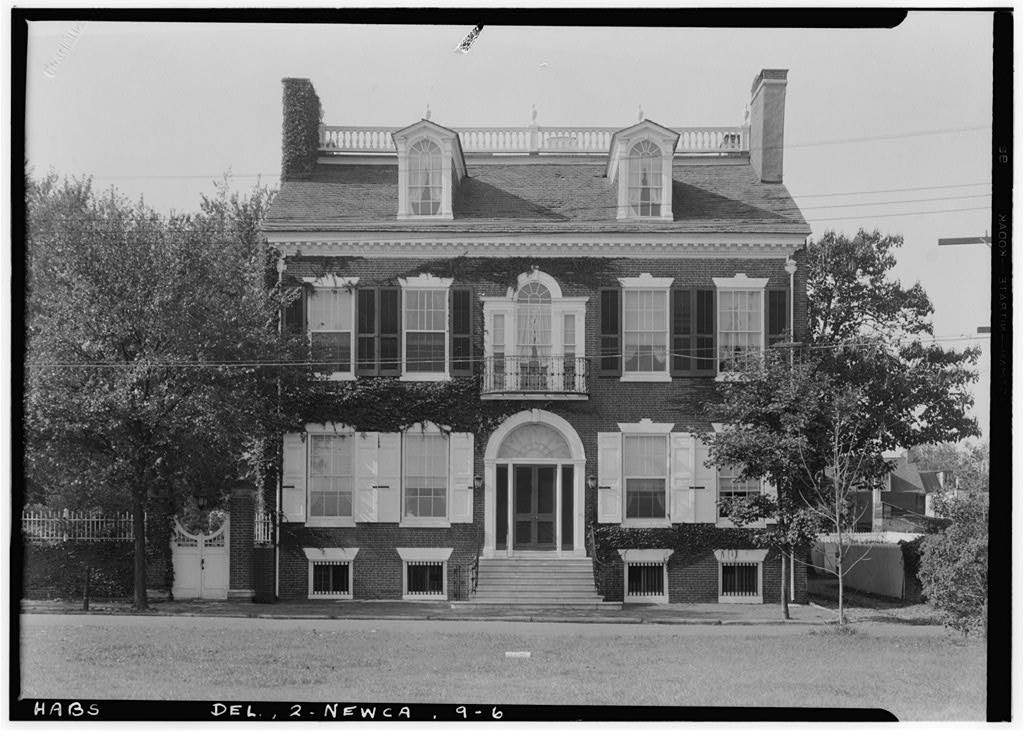
In Old New Castle, over multiple generations (from the 19th to early 20th century), Black families lived, worked and built community. The area is now the subject of interpretive walks and research that highlight its Black heritage.
“Discovering the 5-generation Black community of Old New Castle — rich stories and heritage beneath the town’s surface. #HiddenHistory #Delaware”
7. Wilmington’s East Side (City of Wilmington)

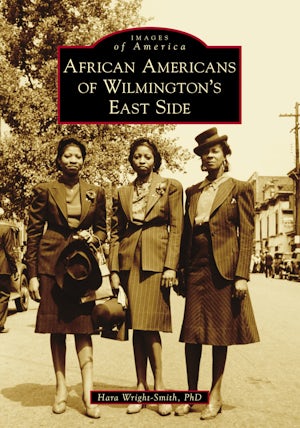

Description:
The East Side of Wilmington has long been a center of African American life: from Black-owned businesses on French and Walnut Streets, to influential community institutions. The neighborhood weathered segregation, community change and continues to hold deep historical roots.
“Wilmington’s East Side — where Black enterprise, education and activism have shaped the city’s story for generations. #UrbanHistory #BlackCommunity”
8. Iron Hill Free Black Community (Newark, New Castle County)

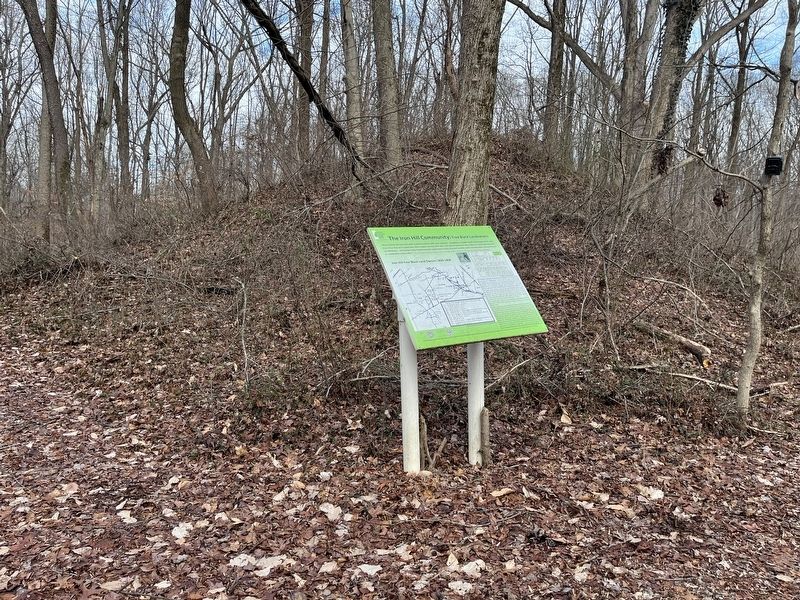
Description:
At Iron Hill near Newark, a free African American community of landowners formed in the 1830s. State of Delaware News A 1923 schoolhouse (one of the “Du Pont schools” for Black children) and the-new African American History Trail bear witness to this legacy.
“Iron Hill: where free-Black families laid roots early, and a 1923 schoolhouse still stands. #DelawareBlackHistory #EducationMatters”
9. Charley Town, Delaware (near Townsend, New Castle County)

Description:
Charley Town (also spelled Charley Town) was a settlement named after Charles Lloyd, a free African American who lived among several shanties making up the village. It represents one of many smaller Black communities that existed in 19th-century Delaware, often overlooked today.
“Charley Town: a little-known Black settlement in Delaware’s past, named for a free Black settler. #UnsungHistory #Delaware”
10. New Discovery (community) (Southern Delaware)
Description:
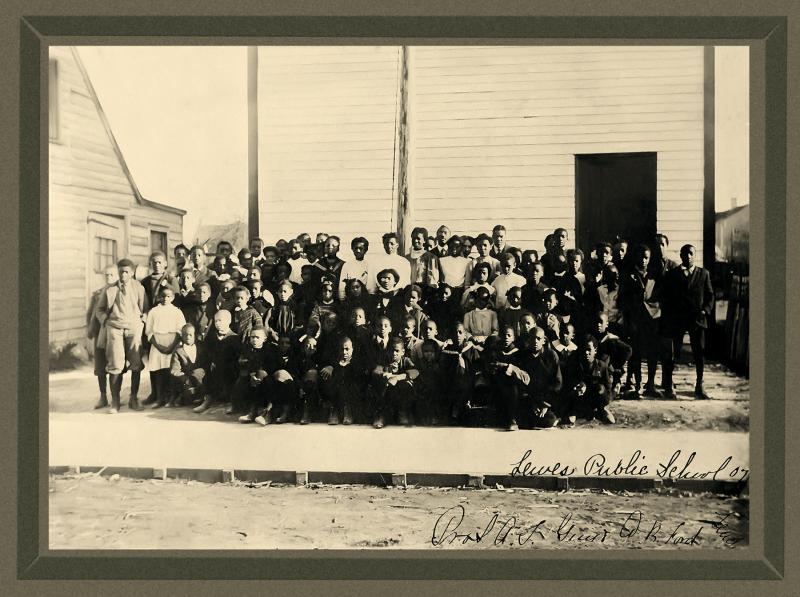
A pre-Civil War African settlement which stretched out for over a mile. This community was typical of many which existed in the slave-holding territory of New England. As late as 1920 most of the roads in southern Delaware were lined with such settlements. Migration of families to the North and widening of old roads have eliminated most of these communities.