
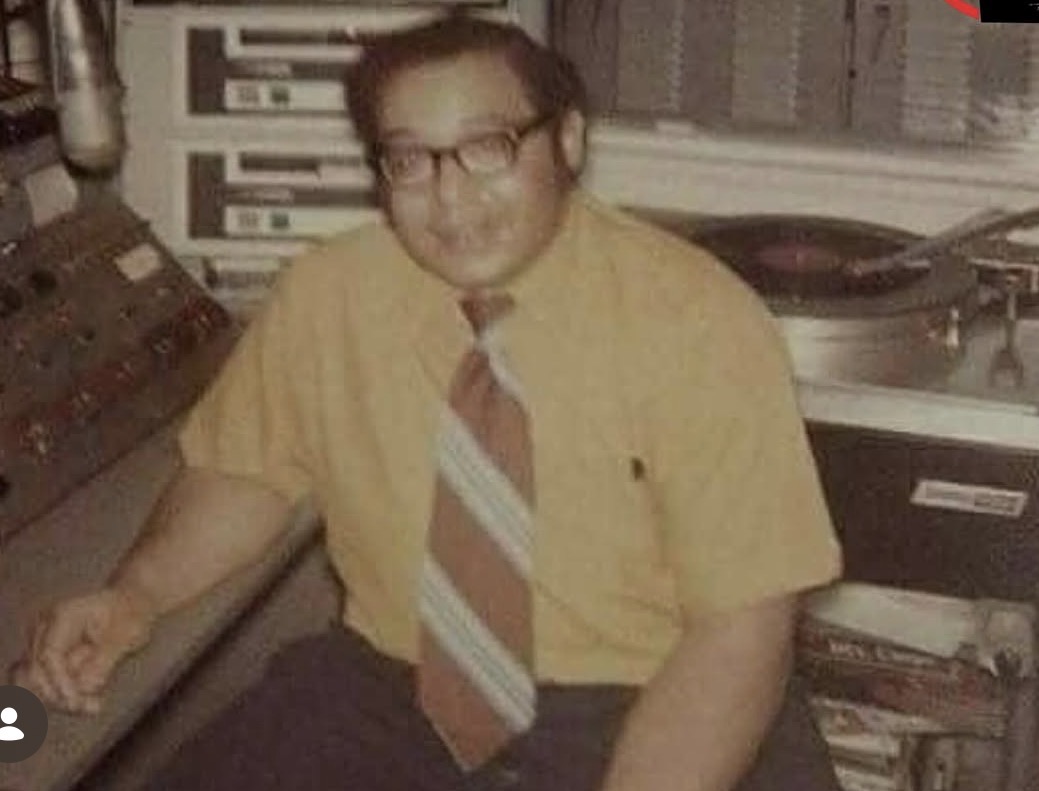
William “Bill” Anderson worked at WSTW from 1970 until 1981.
Before coming to Delaware, he had worked at small radio stations in New Jersey. He said he heard that WSTW / WDEL was looking to hire a Black person after receiving a complaint from the Federal Communications Commission (FCC) stating that the station had no Black or women employees. He was told that if he applied, he would almost be guaranteed the job and that he should hold out for the pay he wanted because the station was eager to hire a Black employee.
He applied, received the salary he requested, and started in 1970 as a staff announcer under the program director.
After a few years, the program director left. Anderson stated that since he knew the job as well as the departing director, station management decided it would run more efficiently if he were promoted. Around 1973, he was moved into the position of program director, making him the first Black program director at a radio station in Delaware.
At the time he was hired, he was the first and only Black person to ever work at the station. Other Black employees were hired after him.
He said that everyone at the station was white when he started. Some people there had never had professional interaction with Black people and lived in the Brandywine Hundred area.
He described one racial incident during his time there. While receiving training on console boards and tape machines, he was sitting on a low trash can while the trainer stood nearby. A company salesman entered the room and said, “Where’s the company coon at?” Anderson said that when he stood up, the salesman ran out of the room. Later, Anderson confronted him and told him that what he said was on him, not on Anderson. After that, they were not friends, but they were able to work together.
He worked at the station until 1981. When the station was sold by the owners and major personnel changes began happening, he decided to resign and move on to more secure employment. He said he had a family and needed more job security than local radio could provide.
After leaving radio, he began a 34-year career with the State of Delaware. He retired from the Delaware Court of Common Pleas as the Chief of Court Security.